In early November 2026, the corporate and geopolitical worlds collided in unprecedented fashion. Jensen Huang, the co-founder and chief executive of Nvidia—the $4+ trillion hardware sovereign powering the global Artificial Intelligence revolution—formally admitted to having an extramarital affair with Alice Huang (Huang Le), an executive at a Singaporean cloud company whom United States intelligence agencies identified as an operative for Beijing’s Ministry of State Security (MSS)[1][2].
First comments on X claimed this was the girl but later claims prooved this as false and misinformation!
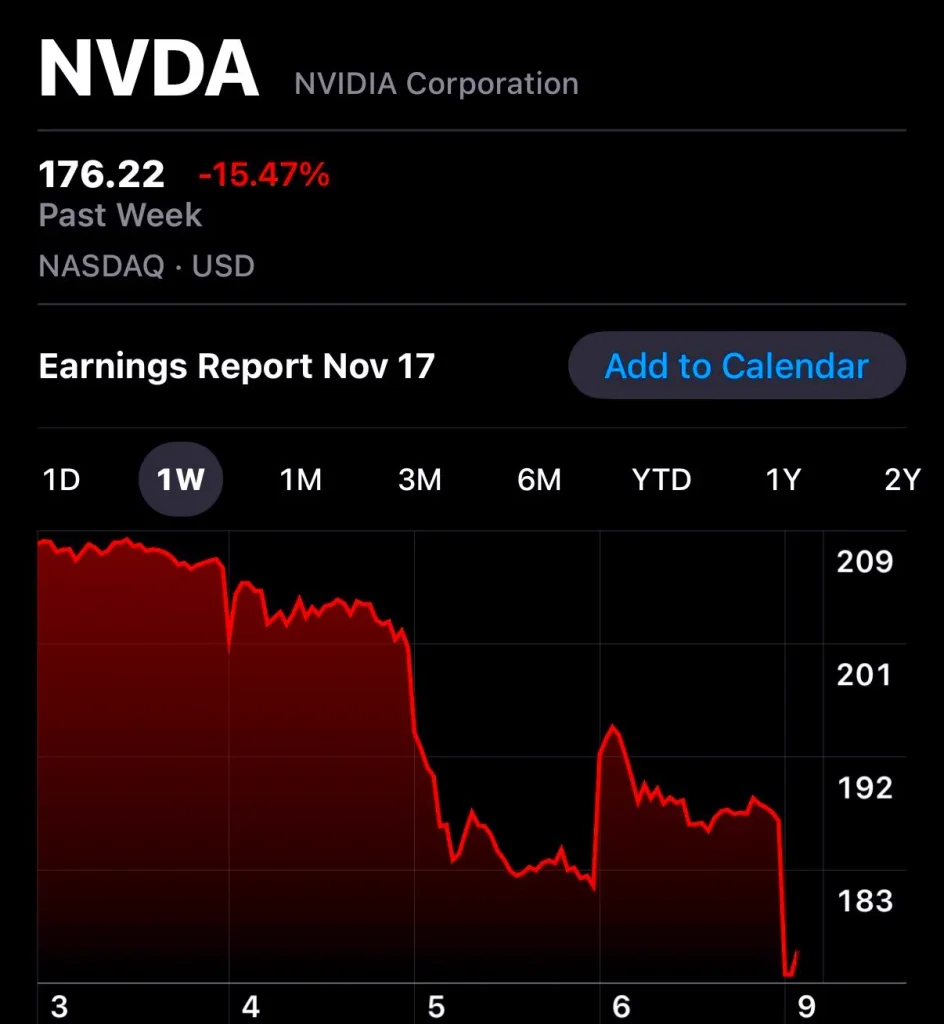
The revelation triggered an immediate crisis: an independent inquiry launched by Nvidia’s board, class-action shareholder lawsuits alleging securities fraud[3], a single-day market cap erasure of nearly $190 billion [cite: 1.1.3], and comments from the White House confirming an active FBI investigation[4].
Beyond the tabloid sensationalism of an infidelity scandal lies the defining geopolitical battleground of our era: the race for semiconductor dominance.

Below is an objective examination of the verified facts, an analysis of the intelligence mechanics behind the operation, and a critical look at the “shadow of a doubt” lingering over whether this was a coordinated state honeytrap, commercial opportunism, or a geopolitical maneuver by Western security hawks.
1. The Timeline of an Unraveling
For months, whispers of scrutiny surrounding Nvidia’s foreign buyers circulated through Washington and Wall Street. The narrative broke into the open through investigative reporting by The New York Times and The Financial Times, forcing an extraordinary sequence of disclosures[5][6]:
- Initial Corporate Denial: In late October, Nvidia dismissed reports concerning interactions between Jensen Huang and Alice Huang as “routine customer meetings,” noting that the CEO routinely engages with thousands of tech executives[7].
- The Intelligence Leak: U.S. counterintelligence officials confirmed to major outlets that Alice Huang was an intelligence asset tasked with cultivating proximity to the Nvidia chief[8].
- The Confession (November 8, 2026): In a memo sent to Nvidia employees, Jensen Huang apologized to his family and colleagues, admitting he had been “unfaithful to my wife” of 40 years, taking “full responsibility” for his actions[9].
- The Board Inquiry & Market Shock: Nvidia announced an independent board investigation led by external counsel [cite: 1.3.6]. Nvidia shares dropped over 4%, and federal lawsuits were filed by institutional shareholders in California for failure to disclose existential national security liabilities[3].
2. Structural Breakdown
graph TD
    A[US Chip Export Curbs<br/>Targeting China's AI] --> B[Megaspeed Singapore<br/>$4.8B GPU Customer]
    B --> C[Alice Huang / Huang Le<br/>Executive & MSS Asset]
    C --> D[Romantic Entanglement<br/>Jensen Huang Affair]
    D --> E[US Intel Surveillance<br/>Identifies Espionage Risk]
    E --> F[Huang's Public Apology<br/>& Board Investigation]
    F --> G[Shareholder Lawsuits<br/>& Strategic Fall-out]
3. The Target and the Operative: Who is Alice Huang?
Public records and investigative reports reveal Alice Huang (operating under the legal name Huang Le, aged 43) as an enigmatic power broker bridging Asian capital and Silicon Valley hardware[2]:
- Professional Chameleon: Her background tracks through Chinese state media (reportedly working for CCTV/Hunan TV) before pivoting to international finance with stints at HSBC Private Banking and CITIC Securities[2][10].
- The Megaspeed Nexus: She surfaced as the managing director of Megaspeed International, a Singapore-based data center operator[11]. Despite its relatively modest public profile, Megaspeed committed a staggering $4.8 billion to purchase cutting-edge Nvidia GPUs over a two-year window [cite: 1.3.7].
- The Smuggling Allegations: U.S. Commerce Department investigators had already placed Megaspeed under scrutiny for allegedly acting as a shell conduit, rerouting restricted high-end AI chips (such as H100s and Blackwell architectures) through Southeast Asian subsidiaries into mainland China to evade US export bans[6].
In classical tradecraft, Alice Huang possessed the ideal cover: a legitimate, hyper-wealthy corporate buyer placing billions of dollars directly into Nvidia’s balance sheet, creating an organic, professional justification for close, personal contact with the CEO[1][10].
Nvidia Loses $225B in Market Value as Jensen Huang Faces Board Probe Over China Spy Allegations! Nvidia shares fell more than 5% in premarket trading on November 9, wiping approximately $225 billion from the company’s market value after its board announced an independent investigation into reports that CEO Jensen Huang was targeted by a foreign intelligence operation.
4. The Espionage Vector: What Was the Objective?
In modern industrial counterintelligence, romantic compromise (the “honeytrap”) is rarely executed merely to blackmail an executive for blueprints. The operational objectives in the Nvidia case were far more strategic:
┌────────────────────────────────────────────────────────────────────────┐
│                      Suspected Espionage Objectives                    │
├──────────────────────────┬─────────────────────────────┬───────────────┤
│ 1. Strategic Influence   │ 2. Supply-Chain Routing     │ 3. Technical  │
│                          │                             │    Roadmaps   │
├──────────────────────────┼─────────────────────────────┼───────────────┤
│ Persuading Huang to      │ Ensuring Megaspeed's quota  │ Gaining early │
│ lobby Washington for     │ of GPUs remained unhindered │ visibility on │
│ loosened export curbs    │ despite Commerce Department │ next-gen chip │
│ on Chinese tech firms.   │ export control suspicions.  │ architectures.│
└──────────────────────────┴─────────────────────────────┴───────────────┘- Policy Shaping: Jensen Huang was an outspoken advocate for maintaining commercial ties with China, repeatedly cautioning that aggressive export controls would spur domestic Chinese semiconductor development and harm American industry. Intelligence officials suspect Alice Huang was tasked with amplifying this sentiment, nudging Huang to use his immense political capital with the Trump administration to soften trade restrictions[11].
- Early Technological Warning: Gaining informal, off-the-record access to Nvidia’s release timelines, software stack capabilities (CUDA updates), and packaging yields (TSMC CoWoS constraints) provides Beijing’s state-backed chipmakers (such as Huawei) with invaluable predictive intelligence.

5. The Speculative Frontier: A Shadow of a Doubt
While the personal affair is confirmed by Jensen Huang’s own admission [cite: 1.1.5], an objective analysis demands maintaining a critical “shadow of a doubt” regarding the grand espionage narrative.
Scenario A: The Orchestrated MSS Honeypot
Under this interpretation, the operation was a textbook intelligence success executed by China’s Ministry of State Security. Knowing that Jensen Huang is the single most critical human node in Western AI infrastructure, Chinese intelligence groomed and deployed a sophisticated, culturally fluent asset to exploit his personal life[5]. The goal was not theft of source code via flash drives, but total psychological access to the man steering the computational foundation of the Western world.
Scenario B: Commercial Ambition and Guilt by Association
A competing, more grounded perspective exists: Alice Huang may primarily have been an aggressive, opportunistic corporate broker. In high-stakes Asian tech commerce, intermediaries frequently cultivate intense personal relationships with decision-makers to guarantee product allocation during global chip shortages.
Because of her Chinese nationality, state media past, and Megaspeed’s gray-market dealings, U.S. counterintelligence may have retroactively framed an aggressive corporate grifter as a full-fledged MSS officer[2]. In the current hyper-hawkish atmosphere in Washington, any Chinese national transacting near advanced technology is viewed through an intelligence prism.
Scenario C: The Washington Counter-Strike
There is a darker, speculative political question: Why did this leak now?
- Jensen Huang had successfully petitioned the White House in prior years to preserve specific export licenses to Asian markets [cite: 1.3.6].
- For national security hawks in the Pentagon and Commerce Department, Nvidia’s continued commercial desire to service the Chinese market was viewed as an unacceptable security risk[12].
- By leaking the intelligence community’s surveillance of Huang’s affair, hardliners effectively neutralized Huang’s ability to ever lobby for relaxed export controls again, forcing Nvidia into permanent geopolitical subordination to Washington’s containment strategy[13].
Conclusion: The Trillion-Dollar Vulnerability
Nvidia’s official position remains firm: the board maintains it has “no reason to believe” that company secrets or national security parameters were compromised[9].
Yet, the scandal underscores a profound truth of the 21st-century digital landscape. A nation can construct the most impenetrable cryptographic firewalls, encircle its silicon fabs with naval carrier groups, and pass sweeping export bans. But the ultimate vulnerability of any civilization remains its ancient, unchanging biology: the personal judgment, desires, and blind spots of the human beings at the controls.
Jensen Huang built a multi-trillion-dollar empire on silicon logic gates and floating-point algorithms[14]. In the end, he was humbled by the oldest analog exploit in human history.
Sources