Child trafficking on Vinted conspiracy theory

The Vinted “Child Trafficking Code” Panic
This case study offers a fascinating window into how digital-age moral panics are born—and how they feed on themselves. What began as screenshots of oddly-priced toys on a secondhand marketplace exploded into an international conspiracy theory with official investigations in France and Germany. Here is a deep analysis of the mechanics, psychology, and irony of this modern panic.
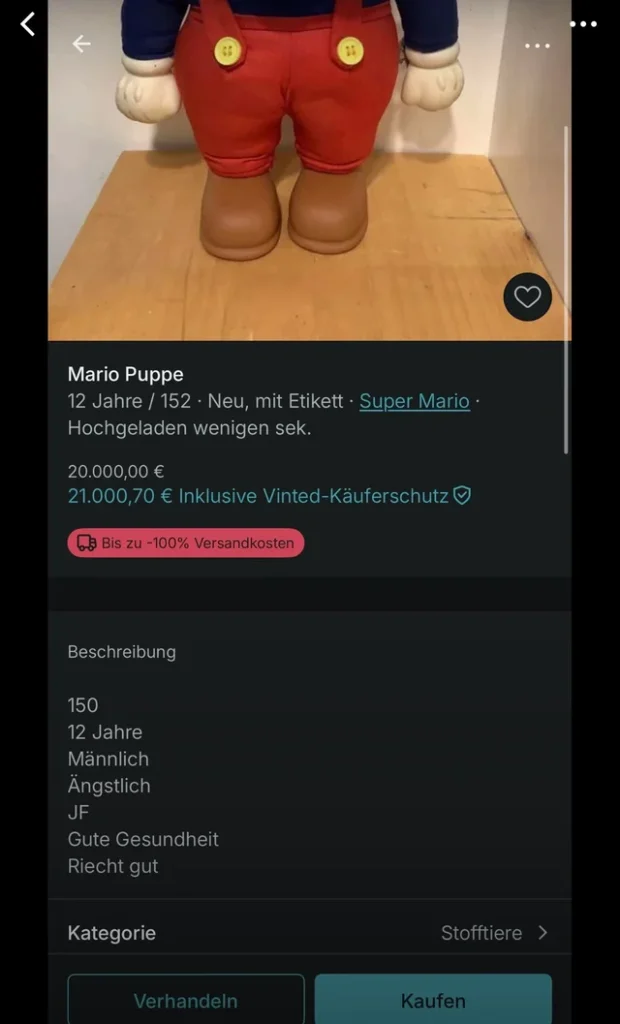
The Spark: A Perfect Storm of Ambiguity
The alarm bells were triggered by a specific pattern of listings: ordinary items—a teddy bear, a Harry Potter figurine, a Hello Kitty plush—listed for astronomical prices (some reaching €31,000), accompanied by descriptions like “9 years, female, white, virgin” or “3 years old, 91cm, 13kg, obedient girl”.
To a concerned user scrolling through TikTok or X, this combination seemed unmistakably sinister: the coded language of child traffickers, using toy listings as a front. A single viral French TikTok video claiming these were “codes that pedophiles use” generated over 112,000 likes and launched the rumor into overdrive.

The Mechanics of Virality
The spread followed a classic pattern of internet panic:
- Emotional Amplification: The subject matter—child trafficking—is inherently horrific and triggers an immediate protective response.
- Pattern Recognition: Users connected dots: high price = value of a human life; descriptive details = human specifications. This felt like a puzzle that needed solving.
- Simplicity: The theory offered an elegant, complete narrative: “ordinary people saw the truth, authorities initially ignored it, brave citizens exposed it.”
- Vigilante Incentive: Some users created fake listings themselves, hoping to “catch” predators—which ironically generated more “evidence” for the theory.

The Investigation: When Authorities Debunk and Fuel the Fire
Three independent investigations converged on the same conclusion—and none found evidence of trafficking.
Vinted’s Response
The platform conducted a thorough investigation and found no evidence linking any ad to criminal activity. Their explanations were straightforward:
- The ages and sizes refer to the intended age group for the toy, a standard field used across all product categories on the platform.
- The high prices may reflect perceived collector value, provocation, or negotiation tactics. Some sellers intentionally list high to allow room for offers.
- Some listings were deliberately falsified to fuel the online debate, and Vinted banned accounts that created them.

French Police & Pharos
France’s High Commissioner for Childhood, Sarah El Haïry, officially reported the matter to prosecutors, stating: “Predators are getting organised. We will tirelessly hunt them down”. The Nanterre prosecutor’s office opened a preliminary investigation—but a preliminary investigation does not confirm wrongdoing; it simply allows authorities to determine if any crime occurred.
German Police’s “Strong Indications”
Frankfurt police issued perhaps the most striking statement: there were “strong indications that these are fake listings”. They urged the public to stop resharing screenshots and report only through official channels, warning that online vigilantism was making it harder to moderate the platform and putting innocent members at risk.
The Viral Feedback Loop: The Case of the Vigilante Teenager
The most revealing moment came when a French investigative outlet discovered that the seller behind a €20,000 listing allegedly offering a “7-year-old girl” was actually a 17-year-old boy. His explanation? He had watched the viral videos and was conducting his own vigilante “sting” to trap pedophiles.
This is where the conspiracy theory turns in on itself. The very fear that drove users to investigate was also generating the “evidence” that seemed to confirm it. It created a self-sustaining loop where each fake listing posted by a concerned citizen became another screenshot for the next wave of panic.
The Precedent: “Wayfairgate” (2020)
The parallels to the Wayfair conspiracy are almost identical. In 2020, social media users claimed the furniture retailer was trafficking children through overpriced cabinets bearing names of missing girls.
- Wayfair’s explanation: Product names were auto-generated; high prices reflected commercial-grade furniture.
- The outcome: Fact-checkers found no evidence; the conspiracy faded.
Vinted itself faced similar allegations in 2023. Etsy and Walmart have also been targeted by nearly identical theories.

Why It Resonates
Beyond the understandable horror at child trafficking, this theory flourishes because of deeper psychological and cultural factors:
- The Hunt for Hidden Codes: In an era of QAnon and algorithmic conspiracism, people are primed to see secret patterns in ambiguous data.
- Distrust of Platforms: Tech companies are often opaque, and users assume they hide or ignore abuse.
- The Good vs. Evil Narrative: This theory casts ordinary users as righteous heroes uncovering a hidden atrocity.
- A Need for Agency: The world feels dangerous; exposing a “hidden network” gives people a sense of control.
- The “Dark Web” Imagination: References to coded language for trafficking tap into existing cultural anxieties about invisible criminal networks.
The Ironic Harm
The theory itself may cause real damage:
- Innocent Sellers Targeted: Users have abused, threatened, and insulted sellers of legitimate high-priced items.
- Moderation Disrupted: Fake listings created by vigilantes and the volume of false reports make it harder for safety teams to find real issues.
- Real Trafficking Obscured: As child protection groups have noted, viral trafficking rumors can make it harder to focus on the actual signs of exploitation.
Conclusion: A Moral Panic for the Digital Age
The Vinted trafficking panic is a textbook moral panic that, through a bizarre process of self-fulfilling prophecy, generated its own evidence. It demonstrates how the design of platforms like Vinted—generic data fields, seller-set prices, the ability to list almost anything—can appear sinister when viewed through a conspiracy-driven lens.
The most telling detail? The “evidence” that launched the panic—the screenshots—was often real listings with innocent explanations. The “evidence” that kept it going—fake listings created by vigilantes—was generated by the panic itself. Everyone from the 17-year-old vigilante to the French commissioner contributed to a storm that, based on all available evidence, had no criminal basis.